
Hurricane Damage Lawyer Louisiana: A Step-by-Step Recovery Guide
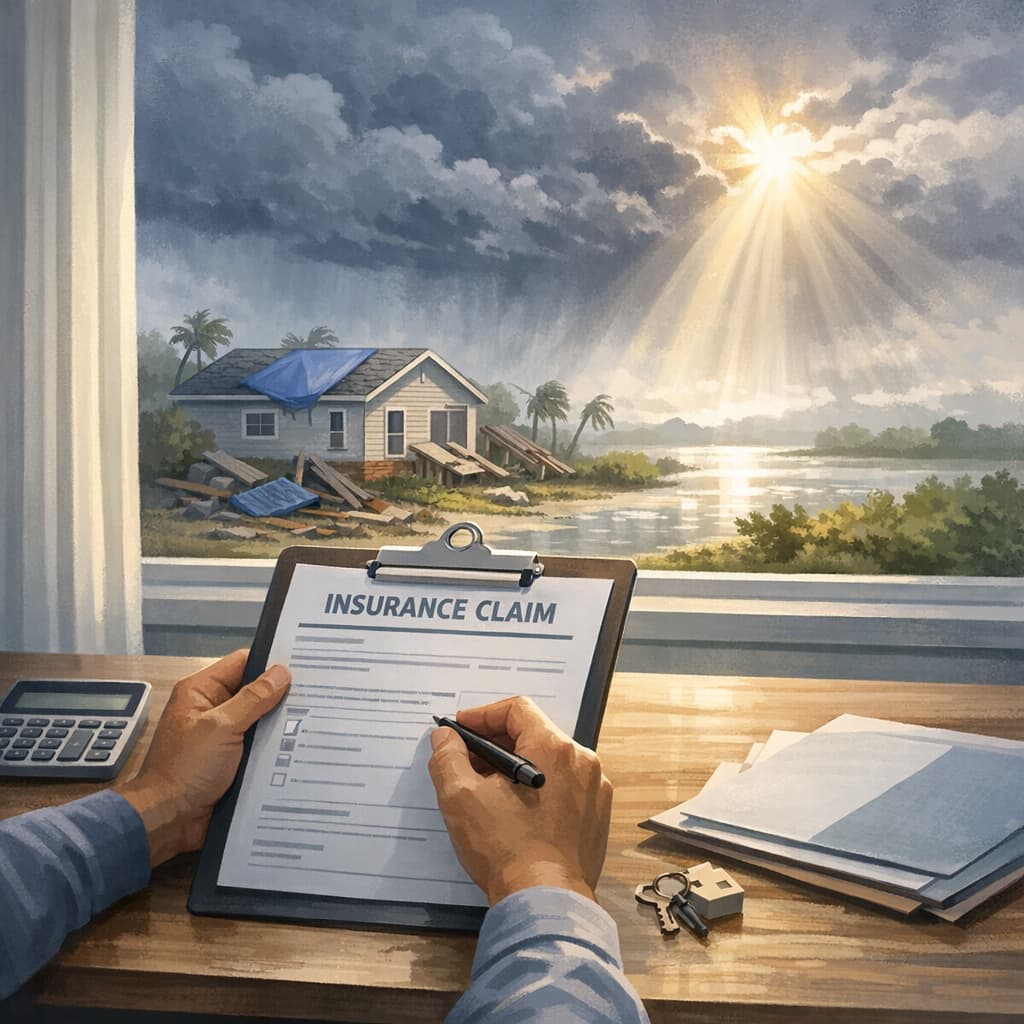
After a hurricane tears through Louisiana, the damage left behind isn’t just physical. It can leave property owners navigating a maze of insurance paperwork while coping with stress, displacement, and uncertainty. This trauma-informed guide explains how a hurricane damage lawyer supports storm survivors and policyholders through each step of the recovery process.
In Louisiana, specific laws govern hurricane damage claims, including Louisiana Revised Statute §22:1973 (2023), which addresses insurer good faith obligations. Understanding your rights under this statute can help ensure fair treatment during the claim process.
Understanding the Role of a Hurricane Damage Lawyer
A hurricane damage lawyer helps translate complex legal and insurance language into clear, actionable steps. They work as advocates for homeowners, ensuring insurers honor their obligations under Louisiana’s claims-handling rules.
For example, a lawyer may review your policy, help collect documentation, and communicate with adjusters. These steps can reduce emotional strain and help storm-impacted households focus on immediate safety and repairs. For key documentation practices, see insights from Evidence requirements for Louisiana hurricane damage claims, which explains how to strengthen your claim file.
Louisiana Insurance Regulations and Timelines
Louisiana law gives policyholders clear protections after storm damage. Under Louisiana Revised Statute §22:1892, insurers must pay approved claims within 30 days once satisfactory proof of loss is provided. A hurricane damage lawyer ensures that deadlines are met and unreasonable delays are challenged.
According to the Louisiana Department of Insurance’s 2024 consumer report, nearly 68% of homeowners who filed hurricane-related claims waited over 60 days for resolution. That delay can cause additional hardship for storm survivors already rebuilding their lives.
Common Delays and How Lawyers Address Them
Delays may arise from disputed repair estimates or incomplete documentation. Legal advocates assist by gathering timely evidence, such as contractor evaluations, photographs, and receipts. Their presence signals accountability. For homeowners documenting their losses, practical tools can be found in the foundational guidance on evidence collection prepared for Louisiana storm claims.
Bad Faith and Policyholder Protections
Louisiana’s “bad faith” law holds insurers responsible for failing to act fairly or promptly. Under R.S. §22:1973, insurers must handle all aspects of a claim in good faith. When they fail, penalties and attorney’s fees may apply. However, these laws protect the policyholder, not punish the insurer without cause. This balance preserves fairness for all parties.
One Louisiana homeowner, for example, documented every conversation and photo after storm damage. When adjusters ignored multiple contacts, their lawyer used those records to secure payment and penalties. The key lesson: consistent documentation and follow-up. That approach mirrors core lessons from the Louisiana hurricane evidence guide.
Practical Steps for Homeowners and Policyholders
For storm-impacted households beginning recovery, the process can feel overwhelming. A methodical checklist helps translate confusion into control. Guidance from attorneys and consumer advocates emphasizes early documentation and timely submission.
- Photograph every affected area before cleanup begins.
- Keep repair receipts and temporary housing invoices.
- Maintain a log of insurer communication dates and contacts.
- Preserve copies of all written correspondence.
- Consult a licensed hurricane damage lawyer if payments are delayed.
These steps keep your file organized and strengthen your position if legal intervention becomes necessary. Many Louisiana property owners find that involving a lawyer early prevents disputes and expedites fair resolution.
Choosing a Louisiana Hurricane Damage Lawyer
When selecting representation, look for an attorney familiar with Louisiana’s Property Insurance Statutes and natural disaster recovery programs. Verify licensure through the Louisiana State Bar Association. Experienced legal professionals understand both claims negotiation and emotional impacts, helping storm survivors navigate recovery with dignity.
- Seek attorneys with hurricane or property claim specialization.
- Request clarity on fees—some work on contingency.
- Ask about their experience with bad faith claims.
- Ensure they respect trauma-informed communication and transparency.
Applying Lessons from Louisiana’s Evidence Standards
The foundation of every successful claim rests on documentation. Evidence supports your truth. Louisiana homeowners can enhance their case by using structured claim logs and verification photos, aligning with strategies discussed in this comprehensive Louisiana evidence resource.
This approach reflects resilience and preparedness, not mistrust. Rather than framing recovery as a battle, it becomes a process of fairness and accountability—two principles at the heart of Louisiana’s consumer protection laws.
Moving Forward with Confidence
Each storm brings loss but also opportunity for stronger community advocacy. Policyholders deserve transparency, fairness, and support. With clear documentation, timely action, and professional guidance, recovery becomes more predictable. For additional context on related statutes and best practices, review insights from the Louisiana hurricane documentation guide, which aligns evidence with real-world legal expectations.
Additional Resources
For more information and support resources, visit our Resources Page.
References
Louisiana Department of Insurance. (2024). Consumer storm claim report. Retrieved from https://www.ldi.la.gov/consumers/insurance-type/homeowners/hurricane-resource-center/information-about-storm-damage
Thompson Coe. (2023). Amendments to Louisiana’s bad faith statutes. Retrieved from https://www.thompsoncoe.com/resources/publications/amendments-to-louisianas-bad-faith-statutes/
Louisiana State Legislature. (2023). Louisiana Revised Statute §22:1973. Retrieved from https://legis.la.gov/Legis/Law.aspx?d=509041
Insurance Information Institute. (2023). Understanding hurricane claim timelines. Retrieved from https://www.iii.org/
Bloom Legal. (2023). How to file a hurricane property damage insurance claim. Retrieved from https://www.bloomlegal.com/blog/how-to-file-a-hurricane-property-damage-insurance-claim/