
Claim Problems Homeowners Face
What To Do If Your Insurance Claim Was Denied
A denial doesn’t always mean the claim is over. Many storm and property insurance claims are denied due to missing documentation, adjuster errors, or policy interpretation issues — not because the damage isn’t covered.
Understanding why claims get denied and what options exist can help homeowners protect their financial recovery.
Expert support is available no matter where you are in the process.
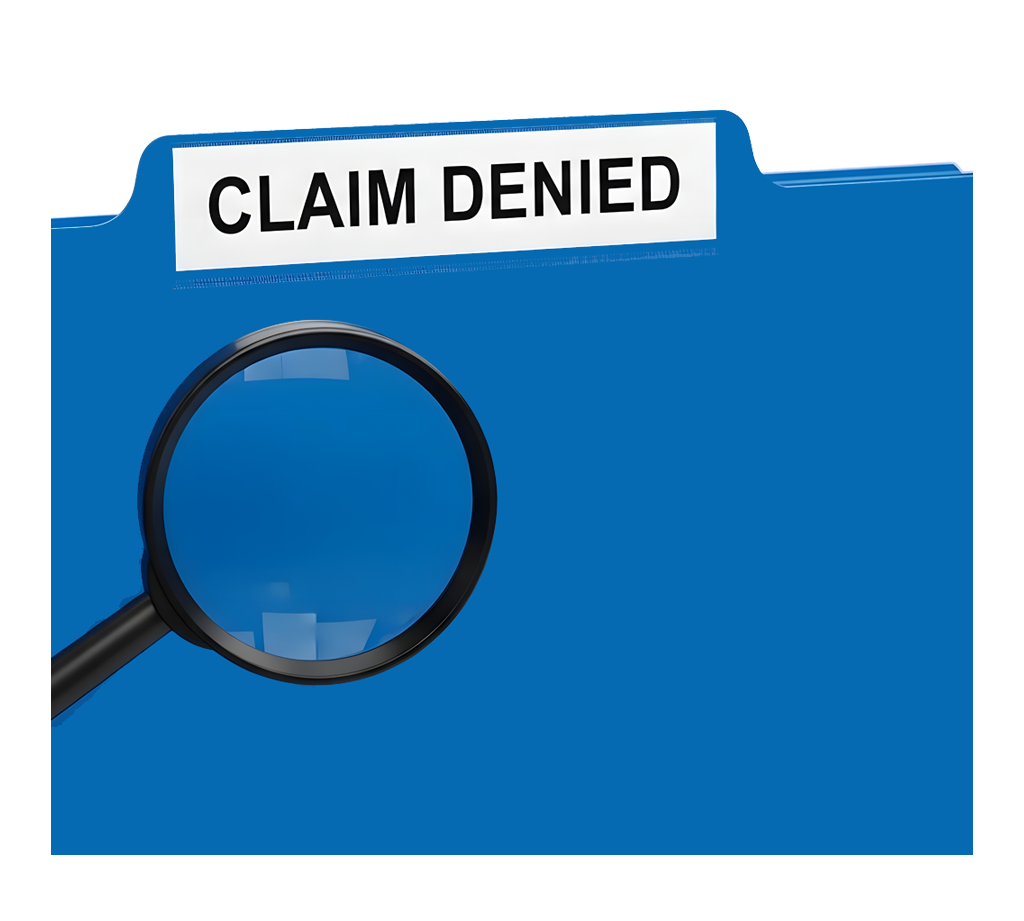
Insurance Claim Reality
A Denial Doesn't Always Mean Your Claim Is Over
Many homeowners assume a denial means the insurance company made a final decision. In reality, denials are frequently challenged, supplemented, or reopened when additional documentation or expert review is provided.
Common reasons claims are successfully reconsidered include:
- Incomplete Inspections
- Missed damage during adjuster visits
- Engineering report disputes
- Documentation gaps
- Filing technicalities
Insurance carriers make decisions based on the information they have.
When new information is presented, outcomes often change.
Understanding The Reasons
The Most Common Reasons
Property Claims Are Denied
Insufficient Documentation
Missing photos, estimates, or proof of loss can result in technical denials.
Coverage Disputes
Insurers may argue damage falls outside policy coverage.
Late Filing Issues
Deadlines vary by policy and state and can impact claim eligibility.
Pre-Existing Damage Claims
Insurers may claim damage existed before the storm.
Causation Disputes
Carriers may argue damage came from wear and tear instead of a covered event.
Inspection Errors
Rushed or incomplete inspections can miss critical damage.
Independent Claim Analysis
What Experienced Claim Professionals
Look For After A Denial
When claims are reviewed by experienced claim professionals, they often identify issues missed during the initial evaluation.
Examples include:
- Damage overlooked during inspections
- Improper depreciation calculations
- Incorrect policy interpretation
- Undervalued repair scopes
- Missing line items in estimates
- Engineering disagreements
- Procedural mistakes by insurers
Insurance claims are technical financial evaluations. Small documentation differences can significantly change outcomes.
This is why many homeowners seek professional claim guidance after a denial.
Your Next Steps
What Homeowners Can Do
After A Claim Denial
A claim denial does not always mean the process is over. Many denials occur because of documentation gaps, inspection disagreements, or policy interpretation issues that may be addressed with additional review. Understanding your options can help you decide the best path forward.
While every claim situation is different, homeowners often consider several possible next steps after receiving a denial.
1
Step 1: Understand The Reason For The Denial
Carefully review the denial letter and supporting documentation provided by the insurance company. The explanation should reference specific policy language or claim findings.
What helps:
- Denial letter explanation
- Adjuster reports
- Policy coverage sections
- Inspection summaries
- Engineering reports (if provided)
2
Step 2: Gather Additional Documentation
Many claims are denied due to missing or incomplete information. Additional documentation may clarify the extent or cause of damage.
What to expect:
- Additional damage photos
- Independent repair estimates
- Contractor inspections
- Maintenance records
- Weather reports from date of loss
- Receipts for temporary repairs
3
Step 3: Request Claim Reconsideration
Homeowners may request reconsideration when new information becomes available. This is sometimes called a supplemental review.
This may include:
- Submitting new documentation
- Clarifying damage scope
- Correcting factual errors
- Providing expert evaluations
- Updating repair estimates
4
Step 4: Consider Formal Review Options
Depending on the policy and state regulations, additional dispute options may exist.
Possible options may include:
- Filing a supplemental claim
- Requesting appraisal (if policy allows)
- Filing a regulatory complaint
- Requesting internal claim review
- Alternative dispute resolution processes
5
Step 5: Consider Independent Claim Guidance
Some homeowners seek independent review to better understand their claim position before making decisions.
Professionals sometimes involved include:
- Licensed public adjusters
- Property damage attorneys
- Engineers
- Contractors
- Building consultants
Independent review can sometimes identify documentation gaps, valuation differences, or policy interpretation issues.

Important Reminder
The best next step depends on:
• Policy language
• State regulations
• Claim documentation
• Timing requirements
• Damage complexity
Understanding these factors can help homeowners make informed decisions about whether to accept a denial or pursue further review.
Not sure what your next step should be?
Understanding why a claim was denied is often the first step toward determining whether additional review may be worthwhile.